
Sports Massage St Albans Reality Check: Expectations vs Actual Results for Effective Recovery in 2026
Understanding Sports Massage
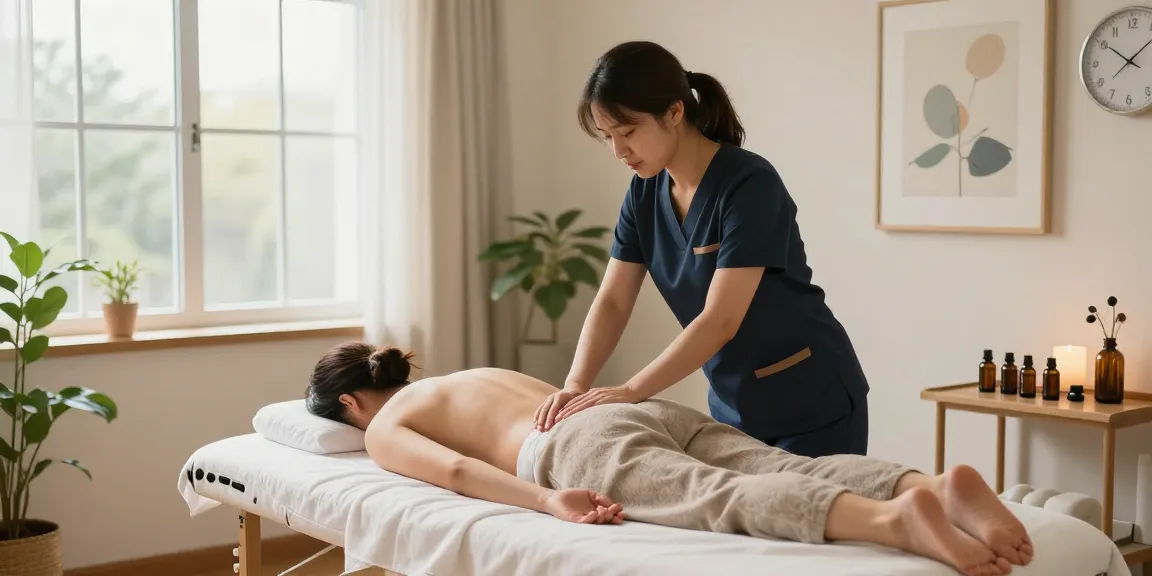
Sports massage is a specialized form of bodywork that focuses on the needs of athletes and active individuals, incorporating techniques designed to prevent injury and enhance performance. It is often confused with regular massage therapy, but it offers unique benefits that cater specifically to the demands of physical activity. When exploring options, sports massage St Albans provides comprehensive insights into how tailored sessions can support your athletic endeavors.
What is Sports Massage?
Sports massage is designed to prepare the body for athletic activity, reduce the risk of injury, and aid in recovery post-exercise. It typically involves a combination of techniques including stretching, kneading, and applying pressure to specific muscle groups, helping to release tension built up during sports or strenuous physical activity. The objective is not only to promote relaxation but also to improve circulation, flexibility, and overall body function.
How Sports Massage Differs from Regular Massage
While regular massage focuses on relaxation and stress relief, sports massage is more targeted and rigorous. It often concentrates on specific areas that are overused or stressed from repetitive movements, using deeper techniques to relieve muscle tightness and alleviate pain. This type of massage may involve various modalities tailored to the athlete’s specific needs, such as deep tissue work, myofascial release, or trigger point therapy.
Benefits for Athletes and Active Individuals
Engaging in regular sports massage can provide numerous benefits including:
- Enhanced athletic performance
- Improved range of motion and flexibility
- Faster recovery times following intense workouts
- Reduced muscle soreness and stiffness
- Better prevention of injuries through increased body awareness and conditioning
Common Misconceptions About Sports Massage
Despite its many benefits, there are several common misconceptions about sports massage that can deter people from seeking treatment. Understanding these myths can help athletes and fitness enthusiasts make informed decisions about their recovery strategies.
Debunking Myths: Does It Hurt?
A prevalent belief is that sports massage is inherently painful. While it may involve deep pressure, it should never cause extreme discomfort. Therapists can adjust their approaches based on individual pain thresholds and preferences, focusing on relieving tension rather than inflicting it.
Who Can Benefit From Sports Massage?
Many individuals can benefit from sports massage beyond professional athletes. Whether you’re a weekend warrior, a fitness enthusiast, or someone experiencing chronic pain, these targeted sessions can help improve your physical condition and overall wellbeing.
When to Seek Professional Help?
It’s advisable to seek professional sports massage therapy if you experience recurring pain, stiffness, or tension that affects your daily activities or athletic performance. Additionally, post-event massage can facilitate quicker recovery, reducing soreness and enhancing muscle repair.
Expectations vs. Actual Results
Having realistic expectations about what sports massage can achieve is essential for athletes. While it is an effective tool in a recovery regimen, it is not a miracle cure and should be part of a comprehensive training and recovery plan.
What to Expect in Your First Sports Massage Session
In your first session, the therapist will conduct an assessment, discussing your physical activities, any injuries, and your goals. After this initial consultation, you can expect a personalized massage experience focused on areas of tension and tightness.
Realistic Outcomes: Healing and Recovery
Many athletes report immediate relief from tension and soreness after a sports massage, but the true benefits often manifest over time. Expect to see improvements in flexibility and reduction in recovery times with regular sessions.
Factors Influencing Effectiveness of Sports Massage
Several factors can affect the outcomes of sports massage, including:
- Frequency of sessions
- Individual physical conditions and history
- Therapist’s skill and techniques
- Your own pain tolerance and feedback during sessions
Integrating Sports Massage into Your Routine
To maximize the benefits of sports massage, it is essential to incorporate it thoughtfully into your fitness regimen.
How Often Should You Book Sessions?
Frequency will depend on your activity level and personal recovery needs. For intensive training schedules, weekly sessions can be beneficial, while casual exercisers might opt for monthly appointments. Listening to your body is key.
Combining Techniques for Optimal Recovery
Sports massage can be effectively combined with other recovery techniques such as stretching, warm-ups, and proper nutrition to enhance performance and recovery. Consider integrating therapies like deep tissue massage or cupping for a more holistic approach.
Tracking Progress and Results Over Time
Keeping a record of your physical responses to sports massage can help refine your treatment plan. Noting changes in muscle tension, soreness, and overall performance can guide how often and what type of sessions you need in the future.
Choosing the Right Sports Massage Provider in St Albans
Selecting a knowledgeable and experienced therapist is vital for effective treatment. Here are some tips to ensure you find the right professional.
What to Look for in a Therapist?
Look for certified therapists with experience in sports massage, ideally those who have worked with athletes or in sports clinics. Check that they are knowledgeable about various techniques and have a solid understanding of sports-related injuries.
How to Read Reviews and Testimonials
Online reviews can provide valuable insight into a provider’s effectiveness. Look for consistent positive feedback regarding results, professionalism, and client care in testimonials.
Questions to Ask Before Booking Your Appointment
Don’t hesitate to ask potential therapists about their experience, techniques used, and what to expect during your session. Ensure they can address any specific concerns you may have regarding your physical condition.
What Are the Benefits of Long-Term Treatment?
Long-term sports massage treatment can lead to cumulative benefits such as sustained flexibility, reduced injury risk, and ongoing pain management. With regular care, athletes can maintain peak conditioning and enhance their performance capabilities.
Can Sports Massage Help With Specific Conditions?
Yes, sports massage can effectively address various injuries and conditions such as tendonitis, muscle strains, and tension headaches. Customized sessions can target specific issues and enhance healing.