Understanding Block Paving for Your Driveway
When it comes to enhancing the curb appeal and functionality of your property, choosing the right materials is essential. Block paving is an increasingly popular choice for driveways, patios, and pathways, renowned for its durability and aesthetic appeal. Not only does it offer varied design possibilities, but it also provides practical benefits such as ease of maintenance and installation flexibility. If you're curious about how block paving can transform your outdoor space, click here to explore a selection of our recent projects and see firsthand the stunning results.
What is Block Paving?
Block paving refers to the use of individual bricks or stones to create a hard surface suitable for pedestrian or vehicular traffic. These blocks are typically made from concrete, clay, or natural stone and come in various sizes, colors, and shapes. The installation of block paving involves arranging these blocks in a pattern, which can be tailored to fit any design concept. This flexibility is one of the primary reasons homeowners and commercial property owners alike opt for block paving.
Benefits of Block Paved Driveways
- Durability: Block paving is known for its resilience, often lasting over 25 years with proper care.
- Low Maintenance: The surface is easy to clean and repair, allowing for individual blocks to be replaced if damaged.
- Aesthetic Variety: With numerous colors, textures, and patterns, block paving can complement any architectural style.
- Environmental Benefits: Permeable block paving can help reduce surface water runoff, promoting a sustainable environment.
Common Misconceptions about Block Paving
Despite its popularity, several myths surround block paving. Many believe that it is an expensive option, while the truth is that it can be quite cost-effective in the long run due to its longevity and minimal maintenance requirements. Others think that block paving is just a trend; however, its timeless appeal and functional benefits ensure that it remains a favored choice among homeowners.
Choosing the Right Materials and Styles
When selecting materials for block paving, it's crucial to consider several factors, including durability, aesthetics, and environmental impact. Different materials and styles can dramatically change the overall look and feel of your outdoor space. Understanding these options can help you make informed decisions that align with your vision.
Popular Block Paving Materials Explained
The primary materials used in block paving include concrete, clay, and natural stone. Concrete is versatile and customizable, making it a favorite for many projects. Clay bricks offer a traditional look that is ideal for rustic settings, while natural stone provides a unique, high-end finish. Each material has its specific benefits and can be selected based on your budget and desired aesthetic.
Color and Pattern Options for Driveway Designs
Block paving is available in a spectrum of colors and patterns. Homeowners can choose from classic herringbone designs to contemporary circular motifs. The color palette can range from earthy tones to vibrant shades, allowing for personalization that reflects the homeowner's style. Mixing different shades can also create a visually striking effect, adding unique dimensions to your driveway.
Environmental Considerations in Material Selection
In today’s eco-conscious world, selecting environmentally friendly materials is increasingly important. Permeable paving options allow rainwater to drain through the surface, reducing the likelihood of flooding and helping to recharge groundwater. This not only benefits the environment but can also save homeowners from potential future drainage issues.
Professional Installation Process
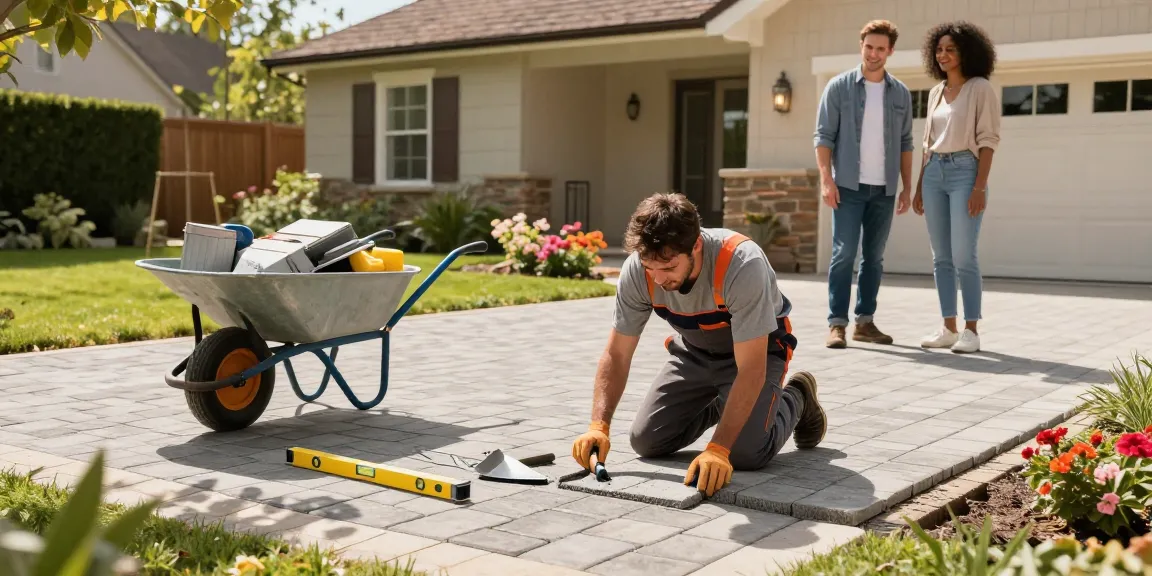
While block paving may seem straightforward, professional installation is recommended to ensure the best results. A poorly installed driveway can lead to various issues, from uneven surfaces to drainage problems. Here’s a detailed look at the professional installation process that ensures your block paved driveway stands the test of time.
Step-by-Step Installation Guide
- Assessment and Planning: A professional will evaluate your site, discuss design options, and provide a detailed quote.
- Excavation: This step involves removing the existing driveway surface and excavating to the appropriate depth.
- Sub-base Preparation: A solid sub-base made of granular material is then laid to support the blocks.
- Edge Restraints: These are installed to keep the blocks in place and prevent shifting.
- Block Installation: The chosen blocks are laid according to the planned pattern.
- Joint Filling: Sand is swept into the joints to hold the blocks in place and provide stability.
Essential Tools Used by Professionals
Professional installers utilize various tools to ensure precision and efficiency. Essential tools include a plate compactor for solidifying the sub-base, a saw for cutting blocks to fit edges, and a leveling board to ensure an even surface. These tools, combined with skilled labor, guarantee a high-quality finish.
Common Installation Challenges and Solutions
Installation challenges can arise due to uneven ground, poor weather conditions, or unexpected subsoil issues. Professional installers are trained to identify and solve these problems efficiently. For instance, if the ground is uneven, additional excavation and sub-base adjustments may be necessary. Timely preparation and expertise can mitigate these challenges effectively.
Maintaining Your Block Paved Driveway
Maintenance is key to maximizing the lifespan of your block paved driveway. Regular care can keep it looking pristine while preventing significant issues down the line. Here are some essential maintenance tips to consider.
Regular Maintenance Tips for Longevity
- Routine Cleaning: Use a broom or pressure washer to remove dirt and debris.
- Weed Control: Regularly check for weeds and remove them to prevent damage to joints.
- Joint Sand Replacement: Replenish the sand in joints annually to maintain stability.
How to Clean and Restore Block Paving
Cleaning block paving involves sweeping and washing the surface. For deeper stains, specialized cleaners may be required. In cases of extensive wear, resealing the driveway can restore its original appearance and enhance protection against the elements.
Signs You Need Professional Help
If you notice significant cracking, shifting blocks, or pooling water, it's time to consult a professional. Addressing these issues early can prevent costly repairs in the future.
Future Trends in Driveway Design and Installation
The driveway industry continuously evolves, with new techniques and materials emerging each year. Staying informed about these trends can help homeowners make innovative choices that enhance their properties.
Innovative Techniques in Block Paving
Technology is influencing driveway design, with innovations such as 3D printing of custom blocks and smart paving solutions. These advancements allow for unique designs while improving the durability and functionality of block paving.
Eco-Friendly Trends in Driveway Installations
Sustainability is at the forefront of modern design trends. Homeowners are increasingly opting for permeable paving solutions that allow for water drainage and contribute to reducing urban heat. Eco-friendly materials, like recycled bricks and permeable surfaces, are becoming standard options in new installations.
Predictions for 2026 and Beyond
As we look toward 2026, the integration of technology and sustainability in driveway design will continue to grow. Homeowners will increasingly seek out solutions that align with eco-friendly practices while providing aesthetic appeal and functionality. Expect to see a rise in personalized designs that reflect individual homeowner styles and preferences.
What are the Benefits of Block Paving?
Block paving offers numerous benefits, including durability, aesthetic versatility, and ease of maintenance. The initial investment pays off over time with low upkeep costs and the potential to enhance property value significantly.
How long does block paving last?
With proper installation and maintenance, block paving can last anywhere from 20 to 30 years. Choosing high-quality materials and ensuring professional installation greatly influences longevity.
Can I install block paving myself?
While skilled DIY enthusiasts may attempt it, it is generally advisable to hire professionals. Proper installation involves intricate planning and specialized knowledge that ensures a durable and aesthetically pleasing outcome.
What maintenance does block paving require?
Maintenance involves regular cleaning, weed control, and periodic replenishment of joint sand. Addressing any issues promptly can extend the lifespan of your driveway.
What patterns can I choose for my driveway?
There are many patterns to consider, including herringbone, basketweave, and running bond. Custom designs can also be created by mixing different materials and colors to suit personal tastes.